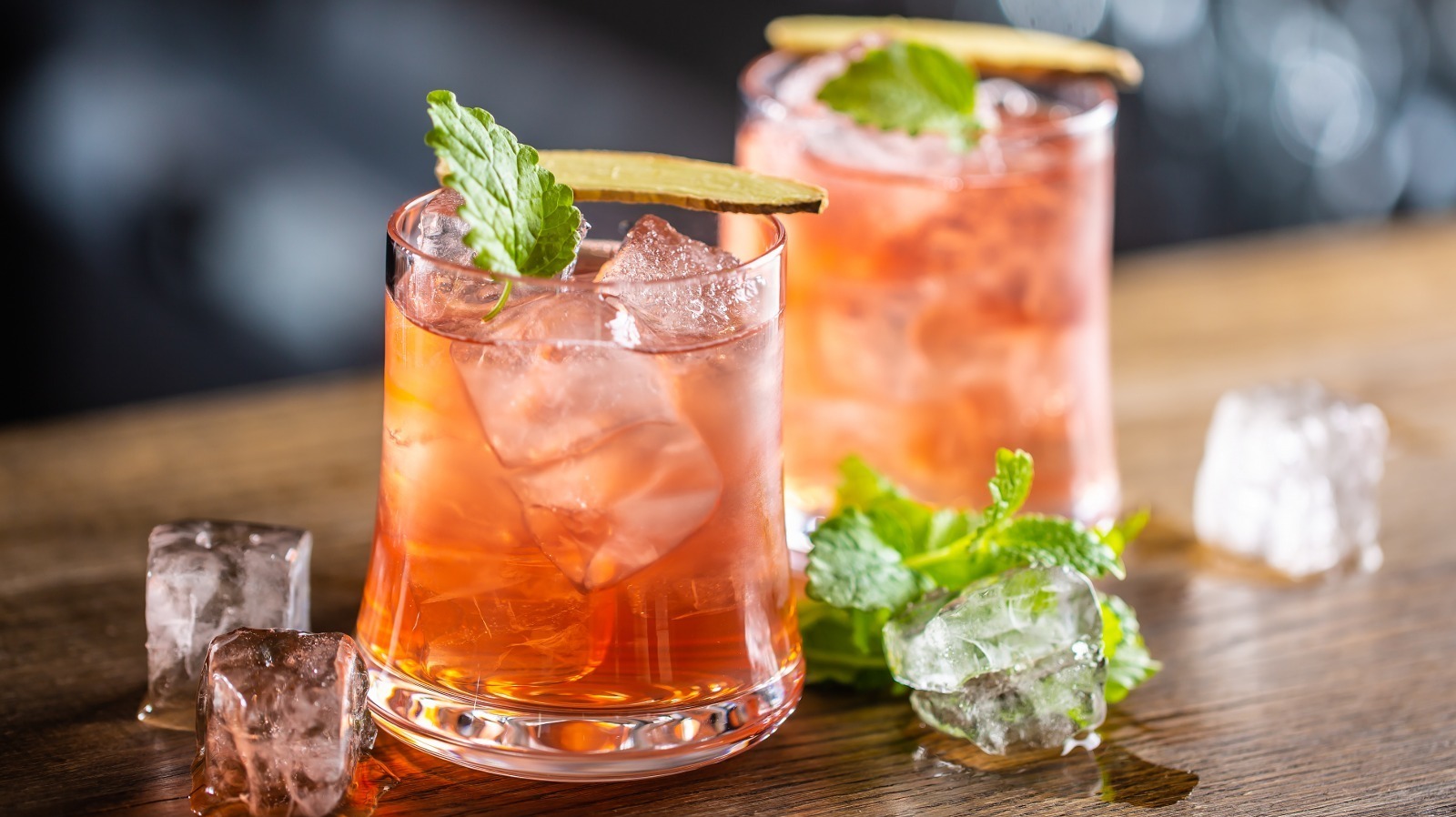
Bay Breeze vs. Sea Breeze vs. Cape Codder: Key Cocktail Differences Explained
Imagine yourself on a sun-drenched patio, a gentle breeze rustling the leaves, and a vibrant, refreshing drink in hand. For many, this idyllic scene often features one of the beloved "breeze" cocktails or their close relative, the Cape Codder. These simple yet satisfying concoctions have graced bar menus and backyard gatherings for decades, thanks to their irresistible fruit-forward profiles and incredible ease of preparation. But while they share a common lineage of vodka and cranberry, each offers a distinctly different flavor journey. Understanding these nuances is key to choosing your perfect sip.
At the heart of this trio, and often the most tropical, is the bay breeze cocktail. Born from a mid-century marketing push by cranberry growers, these drinks soared in popularity, especially in the 1980s, and remain quintessential summer staples. They represent the best of simple mixology: minimal ingredients, maximum flavor, and no complicated techniques. Let's dive into the delightful world of these cranberry-infused classics and uncover what sets them apart.
The Tropical Heartthrob: Understanding the Bay Breeze Cocktail
The bay breeze cocktail, sometimes affectionately known as a "Hawaiian Sea Breeze" or "Tropical Bay Breeze," is a true escape in a glass. Its allure lies in its straightforward yet harmonious blend of three key ingredients: vodka, cranberry juice, and pineapple juice. This combination creates a sweet, tangy, and incredibly smooth beverage that instantly transports you to a beachside veranda, even if you're just in your living room.
The magic of the bay breeze comes from the interplay of its fruit components. The tartness of cranberry is beautifully mellowed and complemented by the lush, sweet notes of pineapple. This makes for a less acidic and generally more approachable drink for those who prefer sweeter cocktails. It's the kind of drink you can easily stir together in a pitcher for unexpected guests, requiring no shaker, just a simple stir. For more practical tips on crafting this easy delight, explore our guide on Crafting the Easy Bay Breeze: No Shaker, Pure Tropical Taste.
While vodka is the traditional spirit, adding a clear, neutral base that lets the fruit flavors shine, the bay breeze cocktail is surprisingly versatile. Many aficionados and bartenders will agree that the spirit choice can significantly alter the experience:
- Vodka: The classic choice, delivering a crisp, clean foundation that allows the cranberry and pineapple to truly sing. It results in the mildest tasting cocktail.
- Light Rum: Introduces a subtle sugarcane sweetness and a faint hint of tropicality, adding a layer of complexity without overpowering the fruit.
- Coconut Rum: For those who crave an even deeper dive into tropical paradise, coconut rum transforms the bay breeze into a truly exotic concoction. Think Malibu Bay Breeze, where the coconut essence enhances the pineapple for an extra vacation vibe. This is often our favorite option for a mental getaway to a beautiful beach.
The choice of liquor can perfectly match your mood and the desired atmosphere. If you're keen on exploring these spirit variations to tailor your drink, our article Vodka or Rum? Customize Your Perfect Bay Breeze Cocktail offers deeper insights.
Bay Breeze vs. Sea Breeze: A Subtle Yet Significant Twist
When comparing the bay breeze cocktail to its close relative, the Sea Breeze, the difference hinges on a single, yet impactful, ingredient swap. Both cocktails share vodka and cranberry juice, forming a familiar foundation. However, while the Bay Breeze rounds out its profile with sweet pineapple juice, the Sea Breeze introduces the vibrant, somewhat tart, and slightly bitter notes of grapefruit juice.
This single substitution creates a remarkably different drinking experience:
- Bay Breeze: Characterized by its tropical sweetness, a direct result of the pineapple's mellow, sugary contribution. It's often perceived as smoother and fruitier, appealing to those who prefer less tartness.
- Sea Breeze: Offers a more sophisticated and zesty profile. The grapefruit juice lends a refreshing tang and a pleasant bitterness that cuts through the sweetness of the cranberry, resulting in a drier, more complex, and often more invigorating taste.
The Sea Breeze is a fantastic choice for those who appreciate a drink with a bit more edge and a less sugary finish. It's an excellent palate cleanser and a great option for brunch or an afternoon refreshment, offering a sophisticated alternative to its sweeter counterpart.
Bay Breeze vs. Cape Codder: The Foundation of Cranberry
To understand the Bay Breeze and Sea Breeze fully, one must first acknowledge the foundational cocktail that arguably inspired them: the Cape Codder. Also known simply as a "vodka-cranberry," the Cape Codder is the epitome of simplicity, featuring just two core ingredients – vodka and cranberry juice – typically garnished with a fresh lime wedge.
The distinction between a bay breeze cocktail and a Cape Codder is clear:
- Cape Codder: Pure, unadulterated cranberry and vodka. The lime garnish adds a crucial burst of acidity and aromatic zest, balancing the cranberry's tartness and brightening the drink. It’s a minimalist's delight, showcasing the robust flavor of cranberry.
- Bay Breeze: Takes the Cape Codder and elevates it by introducing pineapple juice. This addition transforms the drink from a simple vodka-cranberry into a multi-layered tropical experience, significantly increasing its sweetness and fruit complexity.
Essentially, the Cape Codder serves as the canvas upon which the Bay Breeze and Sea Breeze are painted. Adding pineapple gives you the Bay Breeze, while adding grapefruit gives you the Sea Breeze. The Cape Codder's straightforwardness highlights the quality of its cranberry juice, making it an excellent choice for those who love the pure taste of cranberry with a vodka kick.
Cranberry Juice: The Unifying Element (and How to Customize It)
Across all three of these delightful cocktails, cranberry juice remains the undisputed headliner. However, the type of cranberry juice you choose can significantly impact the final flavor profile. This allows for a wonderful degree of customization:
- Pure Cranberry Juice: Often labeled "100% cranberry juice," this provides the most robust, tart, and authentic cranberry flavor. It's ideal for those who prefer a less sweet drink or want the cranberry notes to truly pop.
- Cranberry Juice Cocktail: This is a blended product, typically sweetened with corn syrup or other sugars and often diluted with water. It's less tart and generally sweeter than pure cranberry juice, making for a mellower cocktail. If you prefer a less tart drink, this is a good substitute.
- Cranberry Blends: Options like cranberry-pomegranate or cran-apple can introduce additional fruit notes, adding complexity and often more sweetness. A cranberry-apple blend, for instance, would make your bay breeze cocktail even sweeter and fruitier.
Consider your preference for sweetness and tartness, as well as the other juices in the recipe, when making your choice. A pure cranberry juice will create a bolder Bay Breeze, while a cranberry juice cocktail will result in a milder, sweeter concoction.
Crafting Your Perfect "Breeze" Cocktail: Tips and Tricks
Mastering these simple cocktails isn't about complex techniques, but rather about understanding balance and personal preference. Here are some actionable tips for crafting your ideal drink:
- Proportions are Key: A common and highly effective ratio for a bay breeze cocktail (and often the Sea Breeze) is equal parts vodka, cranberry juice, and pineapple juice. Think "two, two, two" (e.g., 2 oz vodka, 2 oz cranberry, 2 oz pineapple). However, feel free to adjust. If you like it stronger, add more vodka. If you prefer it sweeter, increase the pineapple.
- Ice, Ice Baby: Good quality, fresh ice is crucial. It keeps your drink cold without over-diluting it too quickly. Fill your glass generously with ice before adding liquids.
- Garnish for Glamour: A simple garnish elevates the experience. For a bay breeze cocktail, consider a pineapple wedge, a few fresh cranberries, or a lime wheel. For a Sea Breeze, a lime or grapefruit slice works wonderfully. A Cape Codder always benefits from a fresh lime wedge.
- Batching for Crowds: These cocktails are perfect for making ahead in a large batch. Simply scale up your chosen proportions in a pitcher and chill. Add ice to individual glasses when serving to prevent dilution of the main batch. Since no shaker is required, this makes entertaining a breeze!
- Taste and Adjust: Don't be afraid to taste your creation before serving and make minor adjustments. A dash more lime can brighten a Cape Codder, a splash more pineapple can sweeten a Bay Breeze, and a touch more grapefruit can add zest to a Sea Breeze.
Conclusion
Whether you're yearning for the tropical embrace of a bay breeze cocktail, the zesty sophistication of a Sea Breeze, or the pure, crisp simplicity of a Cape Codder, these drinks offer a delightful spectrum of flavors rooted in the versatile cranberry. Each cocktail, with its subtle yet significant differences in fruit juice, provides a unique experience that can transport you, refresh you, or simply satisfy your craving for a well-balanced, easy-to-make drink. So, next time you're contemplating a cocktail, consider your mood, your palate, and the destination you wish to mentally escape to – and mix up your perfect "breeze" or Cape Codder.
